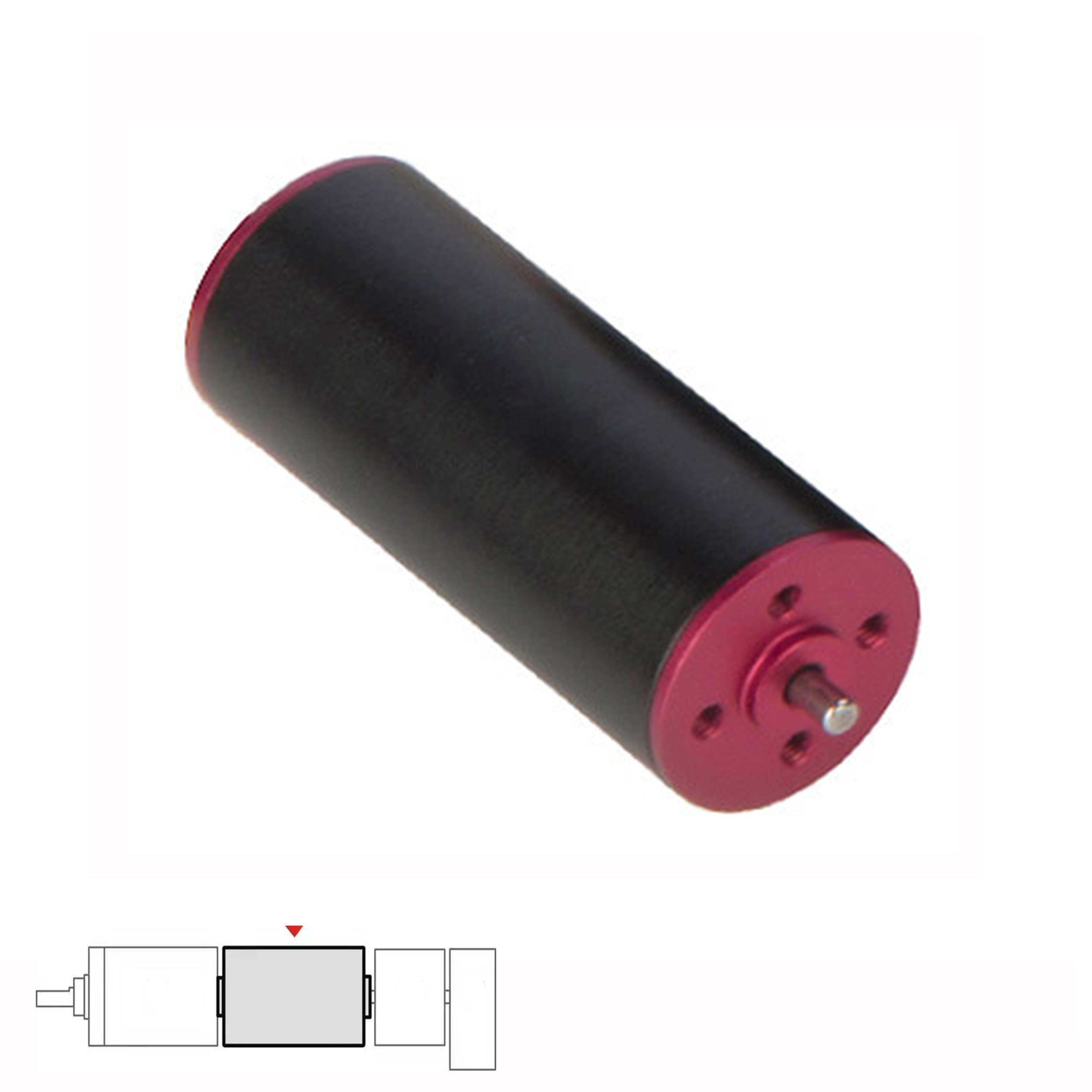
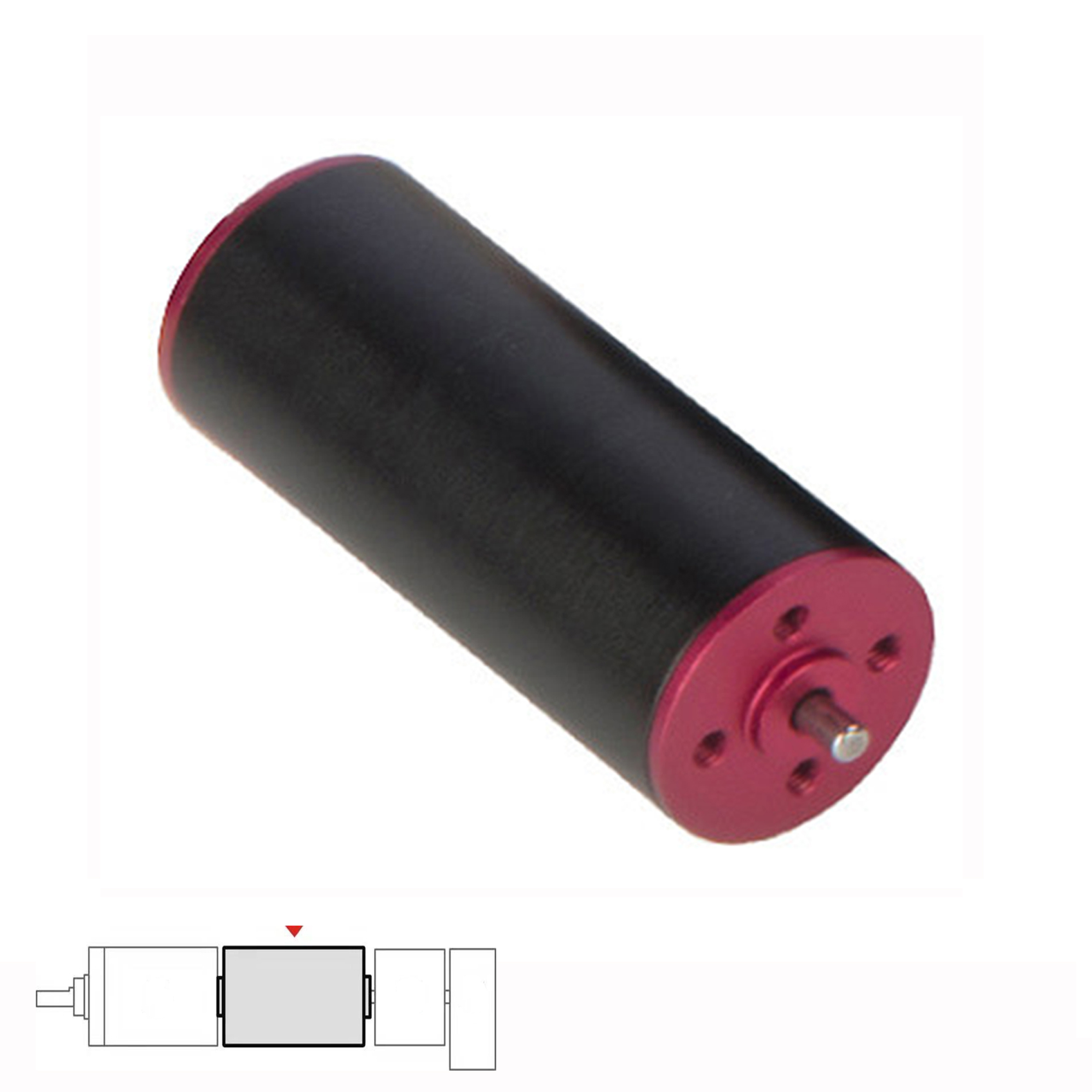
Where Brushless DC Motors Are Used?
Assun's BLDC motor range is widely used across a broad range of industries, including:
- Robotics and Collaborative Automation: BLDC motors are the standard for robotic joint drives at the wrist and elbow the combination of high speed, low inertia, and smooth torque output matches what robotic joints need for fast, repeatable motion. The coreless architecture reduces reflected inertia to the robot's linkage, which improves dynamic response and reduces the torque demand on the drive chain.
- Medical Devices: Infusion pumps, surgical drills, robotic-assisted surgery tools, and laboratory instruments all operate in contexts where cogging torque is unacceptable and low electromagnetic noise is required. Assun's coreless BLDC motors address both requirements simultaneously.
- Semiconductor Equipment: Wafer handling, inspection stages, and optical alignment systems operate in cleanrooms where EMI control and smooth motion at very low speeds are both mandatory. The brushless, coreless architecture is the preferred motor type for these applications.
- Precision Instruments and Optical Systems: Motorised filter wheels, scanning mirrors, and lens drive systems need smooth, continuous rotation with deterministic response. Coreless BLDC motors eliminate the speed ripple that iron-core motors introduce.
FAQs
Q1. What is a brushless DC motor?
A brushless DC motor (BLDC motor) is an electric motor that uses electronic commutation instead of mechanical brushes to switch current through the stator windings. A controller reads the rotor position typically via hall effect sensors and sequences current through the stator phases to produce continuous rotation. Compared to brushed DC motors, BLDC motors offer higher efficiency, longer operating life, lower electrical noise, and the ability to run at higher continuous speeds.
Q2. What is the difference between a brushless motor and a brushed DC motor?
A brushed DC motor uses physical carbon or precious metal brushes to transfer current to the rotating armature. The brushes wear over time and generate electrical noise from the spark discharge at the commutator. A brushless DC motor replaces this mechanical contact with an electronic controller, eliminating brush wear, reducing noise, and allowing higher continuous speeds and efficiency. The tradeoff is that BLDC motors require a matched controller and are typically higher in cost than equivalent brushed motors.
Q3. What is a coreless brushless DC motor?
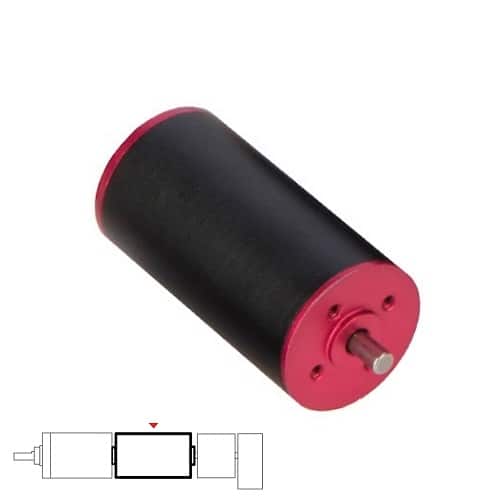
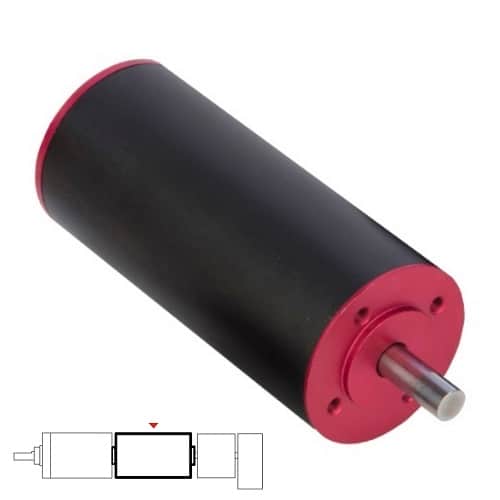
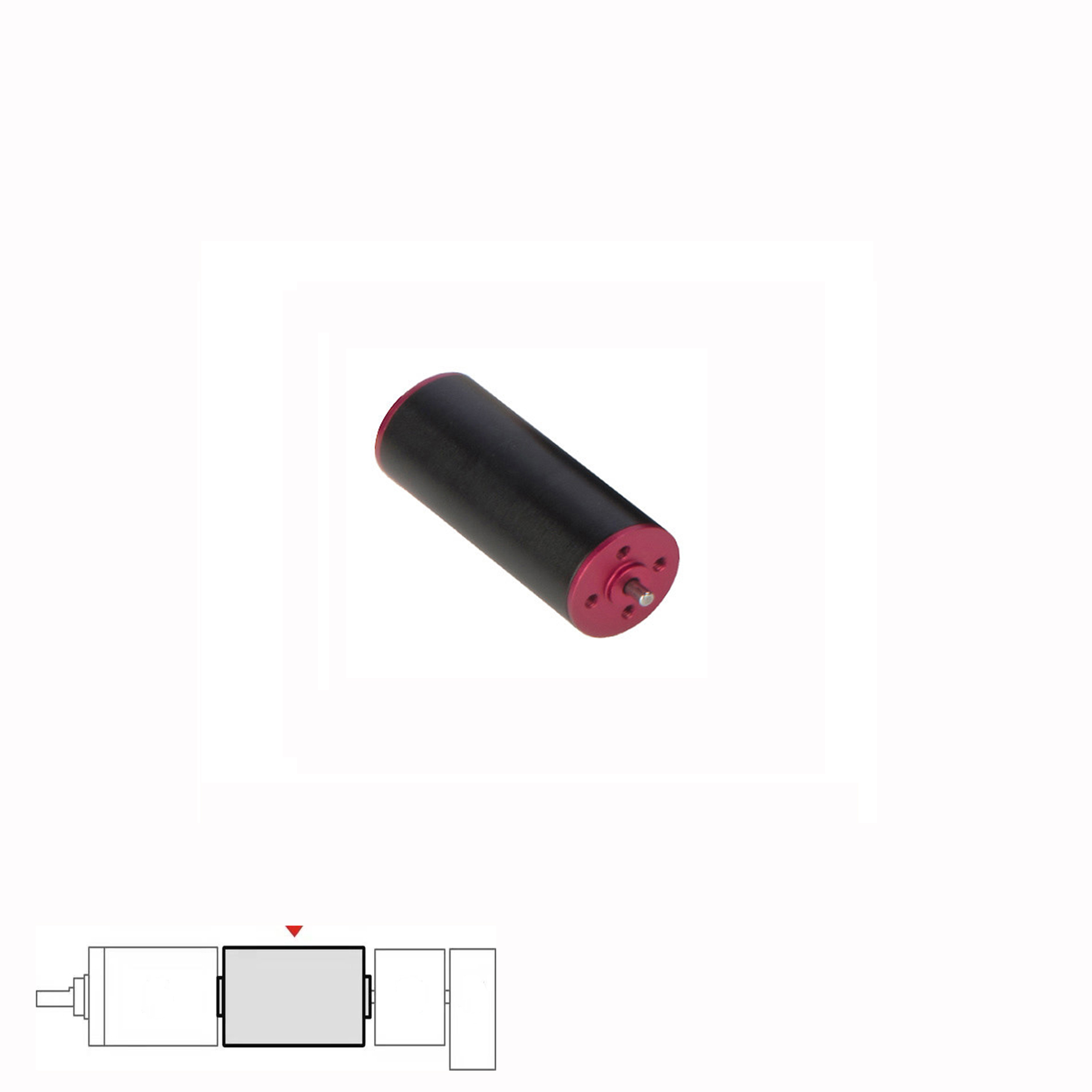
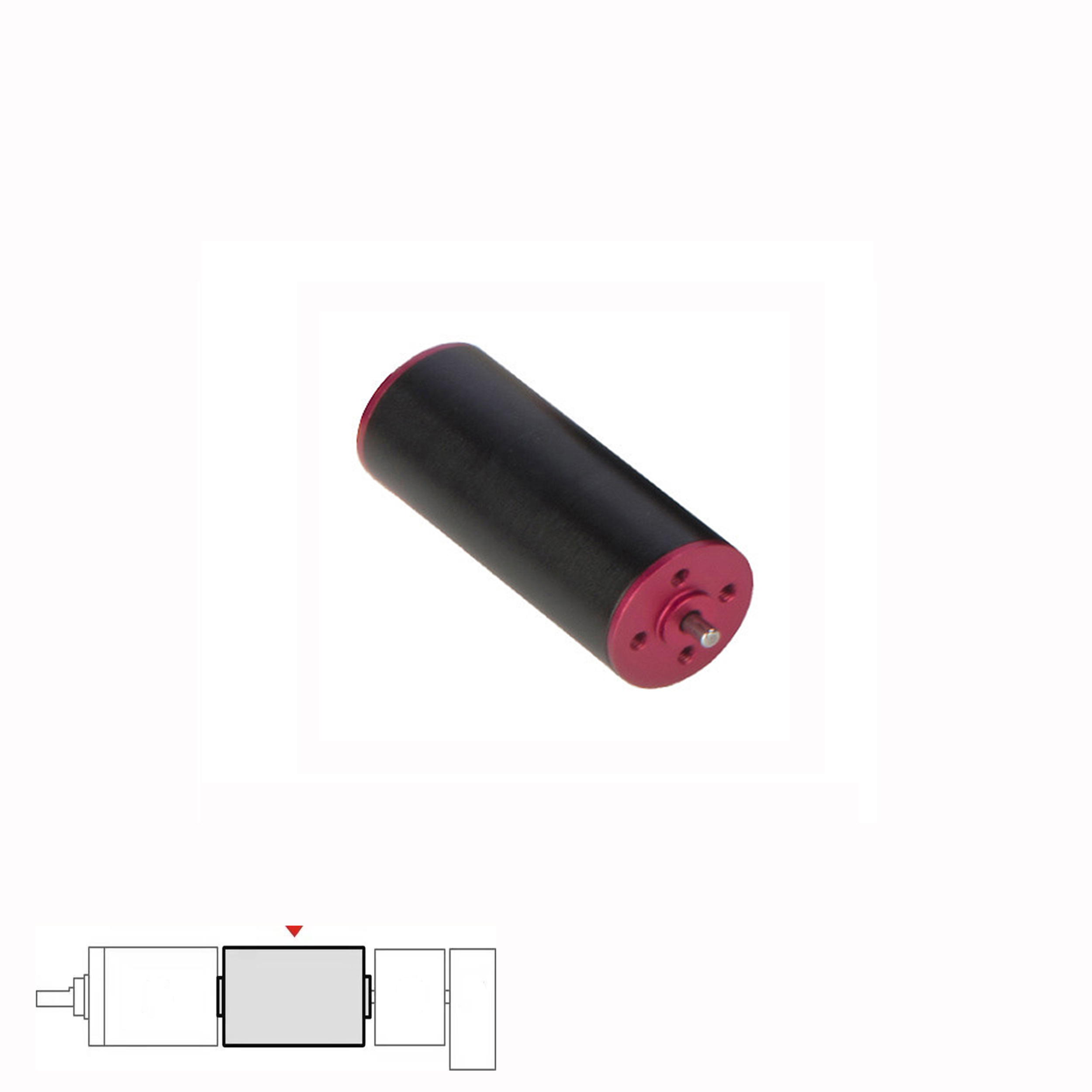
A coreless BLDC motor is a brushless motor where the rotor has no iron core the winding is formed into a rigid, self-supporting hollow cylinder instead. This design eliminates cogging torque (the stepwise magnetic detenting effect in iron-core motors) and reduces rotor inertia significantly, allowing faster acceleration and smoother operation at all speeds including very low RPM. Coreless BLDC motors are preferred in medical devices, precision instruments, and robotics where smooth, cogging-free motion is required.
Q4. What is a DC motor controller (BLDC driver)?
A DC motor controller for a brushless motor often called a BLDC driver is the electronic unit that manages phase commutation, speed control, direction, and braking for the motor. Unlike brushed motors that run directly from a DC voltage source, BLDC motors cannot operate without a controller. The controller reads hall sensors in the motor to determine rotor position and sequences current through the stator phases in the correct order. Speed is regulated via PWM or analogue input. Assun's BLDC motors include a matched controller in the same product package.
Q5. What is 'electric motor dc motor' are they the same thing?
An electric motor is any device that converts electrical energy into mechanical rotation. A DC motor is a specific type of electric motor that runs on direct current (as opposed to AC motors that run on alternating current). A brushless DC motor is a DC motor that uses electronic commutation instead of brushes. So: all brushless DC motors are DC motors, and all DC motors are electric motors but not all electric motors are DC motors, and not all DC motors are brushless.
Q6. What is the difference between the AN and AE series in Assun's BLDC range?
Assun's brushless coreless motors are available in two temperature classes. The AN Series (suffix N in the model code) uses magnets rated to 85°C, while the AE Series (suffix E) uses magnets rated to 125°C. Both series use the same coreless rotor design and are compatible with the same matched driver.
Q7. Can Assun's brushless DC motors be used without the included driver?
The included BLDC driver is matched and validated for the Assun motor it ships with. Technically, any correctly specified BLDC controller can drive the motor if the back-EMF constant, hall sensor voltage, phase resistance, and inductance parameters are configured correctly. However, using the Assun matched driver eliminates the integration and validation work involved in pairing a third-party controller. For engineers who need a standalone controller, Assun's servo motor controller page covers the standalone units.
Q8. What diameter range do Assun's BLDC motors cover?
Assun's brushless coreless motor range covers 8mm, 10mm, 12mm, 16mm, 20mm, 22mm, 24mm, 28mm, 32mm, 36mm, 40mm, 45mm, and 65mm outer diameters. Each diameter has multiple body length options with different winding configurations, no-load speeds, and torque outputs. All standard configurations are available for direct purchase through the Assun online shop. Custom diameter, winding, and mechanical interface specifications are available through the US engineering team.

 Online Shop